How to see God

Alexander MillsPastor
April 21, 2026

3 Minute Read

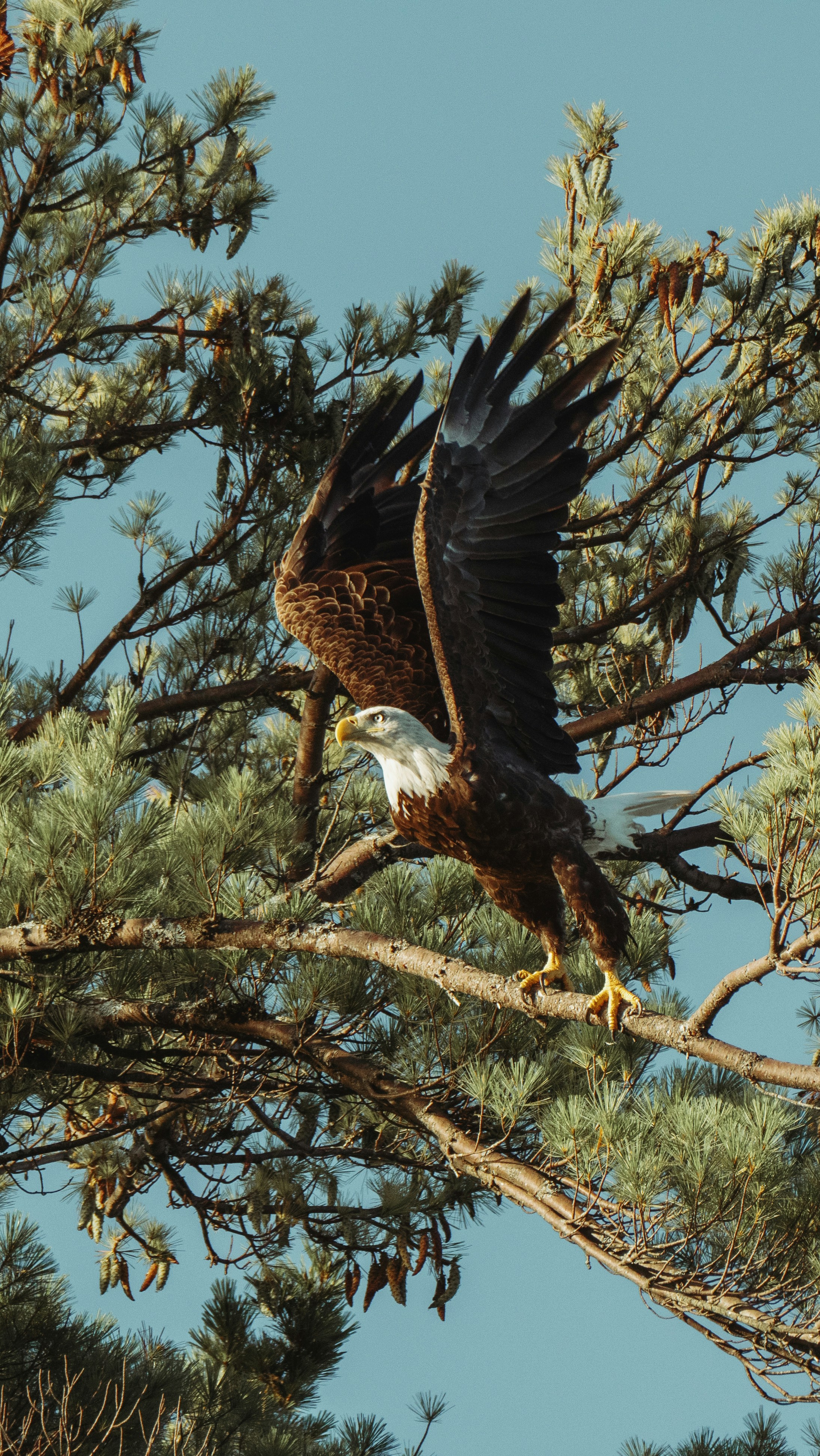
My dad takes a conservative approach to giving and using nicknames. For the most part, he’ll call you by your given name. That was my experience as a child with one exception – he affectionately called me Farsight.

Born from the imagination of C.S. Lewis into the land of Narnia, Farsight was a talking eagle who served as a messenger to the King. True to his nature and name, his eyesight was spectacular. He saw what others couldn’t.

I guess I garnered the name thanks to my ability to notice. The deer on the field edge, the chickadee perched, the missing lego over there. By nature it seems, I’m often able to see what others can’t. Yet here’s the truth – I’m not eagle-eyed. My ability to see is no more than 20/20, in fact without my glasses, it’s much less than that.

I’m convinced, however, that seeing—and more importantly, noticing—is a nurtured ability. It’s practiced and perfected. It’s work.

The poet says, “to pay attention is our endless and proper work.” The priest agrees: “My only prayer practice is attention.”

There’s a sacred discipline to the art of noticing. Paying attention to the budding branch, the singing bird, the forming storm, is no doubt an act of spiritual practice. This act of noticing makes an opportunity to at least acknowledge God, and at best encounter him.

Worship him. See him, hear him, smell him, touch him, taste him. Worship him.

And yes, this takes practice. It’s not hyperbole to say that there are more voices and visions vying for our attention now more than there ever have been, so this work may be more difficult than ever as well. Hard work is good work, beloved.

Begin here with an intentional choice today:

go for a walk,
get a house plant,
look up from your phone.
gaze at the gluten structure of a piece of bread,
think about your fingerprints,
look up from your phone.
listen to a bird song,
listen to a secular song,
look up from your phone.

Look up, look around, look above and below. Open your eyes to see that there’s evidence of resurrection everywhere you look. But you have to look.

God can be and is revealed in all manner of ordinary things, especially created things. There are reflections of his goodness in just about every corner, crack, and crevasse if you’re looking for him. May we be formed into a people who are always looking, noticing, and behold God wherever he may be found.

Grace and peace,
Pastor Alexander

Up Next
From this Tag: prayer
Currently Reading
April 21, 20263 Minute Read
How to see God
My dad takes a conservative approach to giving and using nicknames. For the most part, he’ll call you by your given name. That was my experience as a child with one exception – he affectionately called me Farsight. Born from the imagination of C.S. Lewis into the land of Narnia, Farsight was a talking eagle who served as a messenger to the King. True to his nature and name, his eyesight was spectacular. He saw what others couldn’t. I guess I garnered the name thanks to my ability to notice. The deer on the field edge, the chickadee perched, the missing lego over there. By nature it seems, I’m often able to see what others can’t. Yet here’s the truth – I’m not eagle-eyed. My ability to see is no more than 20/20, in fact without my glasses, it’s much less than that. I’m convinced, however, that seeing—and more importantly, noticing—is a nurtured ability. It’s practiced and perfected. It’s work. The poet says, “to pay attention is our endless and proper work.” The priest agrees: “My only prayer practice is attention.” There’s a sacred discipline to the art of noticing. Paying attention to the budding branch, the singing bird, the forming storm, is no doubt an act of spiritual practice. This act of noticing makes an opportunity to at least acknowledge God, and at best encounter him. Worship him. See him, hear him, smell him, touch him, taste him. Worship him. And yes, this takes practice. It’s not hyperbole to say that there are more voices and visions vying for our attention now more than there ever have been, so this work may be more difficult than ever as well. Hard work is good work, beloved. Begin here with an intentional choice today: go for a walk, get a house plant, look up from your phone. gaze at the gluten structure of a piece of bread, think about your fingerprints, look up from your phone. listen to a bird song, listen to a secular song, look up from your phone. Look up, look around, look above and below. Open your eyes to see that there’s evidence of resurrection everywhere you look. But you have to look. God can be and is revealed in all manner of ordinary things, especially created things. There are reflections of his goodness in just about every corner, crack, and crevasse if you’re looking for him. May we be formed into a people who are always looking, noticing, and behold God wherever he may be found. Grace and peace, Pastor Alexander

July 17, 20233 Minute Read
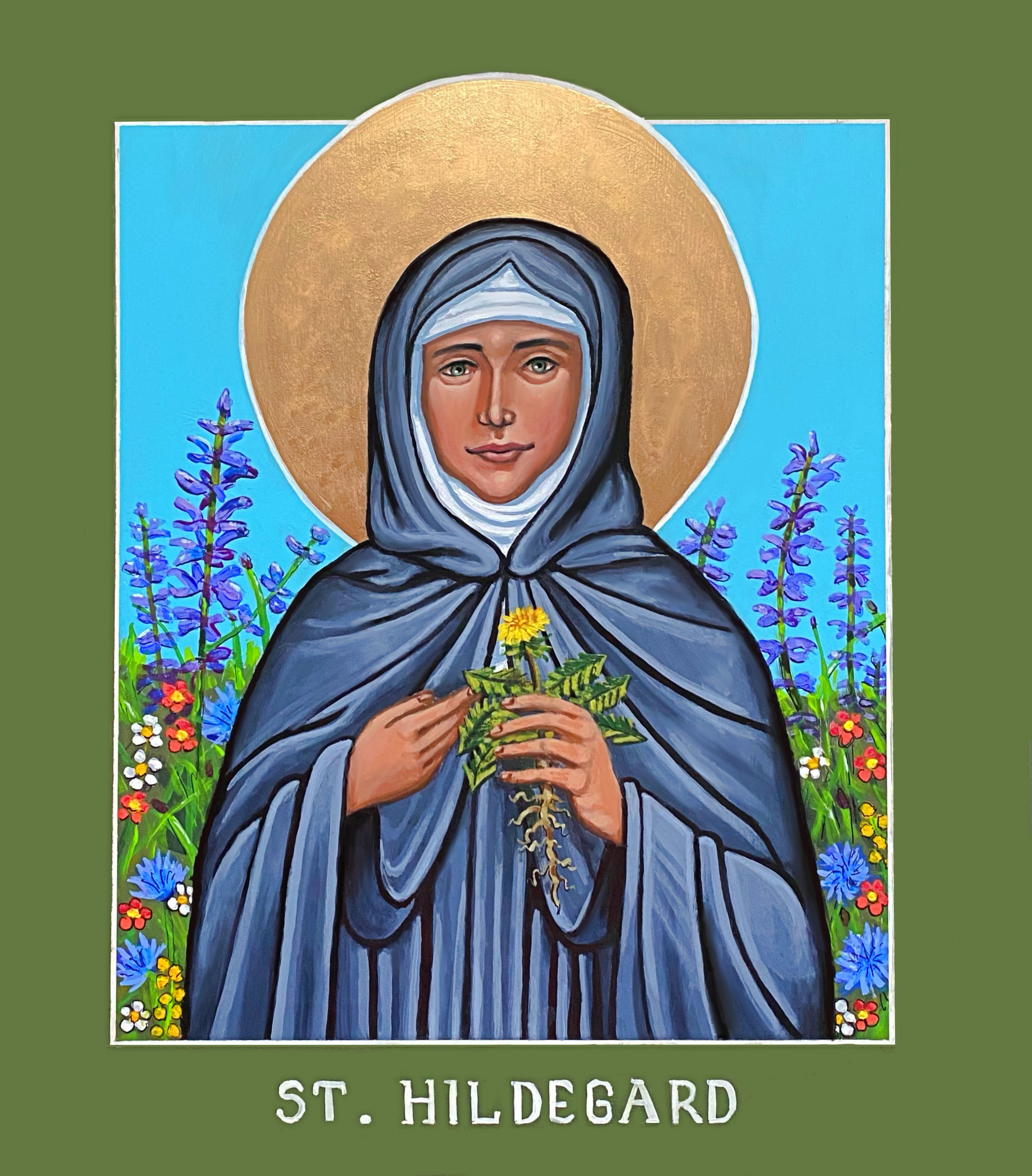
The portrait of a praying woman
It’s rumoured that she was younger than 8 years old when her parents dedicated her to a Benedictine monastery on the westside of Germany. There she would live and grow in the grace of God, leading her fellow nuns into the Light through music, visions, and connection to the earth. Her name was Hildegard of Bingen, she died in 1179, and her portrait hangs in our kitchen by the back door. I bought her portrait as a gift to Rebecca earlier this year as winter was melting into spring. We hung it by the back door intentionally, because the backdoor leads us to our garden. Saint Hildegard reminds me of Rebecca in all sorts of ways, but especially in the way that she revered the cosmos and everything within it. She was a gardener, a forager, and a medical plant practitioner. She didn't want to simply visit this world but wanted to be fully in it, embracing the wonder and goodness of God's creation. "Glance at the sun,” Hildegard says. “See the moon and the stars. Gaze at the beauty of earth's greenings. Now think. What delight God gives to humankind with all these things. Who gives all these shining gifts, if not God?" That reads like a poem, doesn’t it? A Psalm, even? We’re practicing praying the Psalms as a community, beginning each one of our worship services by praying an entire poem together. The Psalms are the training ground for prayer, and so we’re learning how to pray. One Psalm at a time. Today, pray this Psalm of creation with me. If you’re reading this, you’re surely looking at a screen of some kind. So take a step outside or at the very least move yourself next to a window, behold the cosmos, and let us pray: Hallelujah! Praise God from heaven, praise him from the mountaintops; Praise him, all you his angels, praise him, all you his warriors, Praise him, sun and moon, praise him, you morning stars; Praise him, high heaven, praise him, heavenly rain clouds; Praise, oh let them praise the name of God—he spoke the word, and there they were! He set them in place from all time to eternity; He gave his orders, and that’s it! Praise God from earth, you sea dragons, you fathomless ocean deeps; Fire and hail, snow and ice, hurricanes obeying his orders; Mountains and all hills, apple orchards and cedar forests; Wild beasts and herds of cattle, snakes, and birds in flight; Earth’s kings and all races, leaders and important people, Robust men and women in their prime, and yes, greybeards and little children. Let them praise the name of God—it’s the only Name worth praising. His radiance exceeds anything in earth and sky; he’s built a monument—his very own people! Israel’s children, intimate friends of God. Hallelujah! Psalm 148, The Message Translation Grace and peace, Pastor Alexander

June 19, 20233 Minute Read
On prayer, honeybees, and petrichor
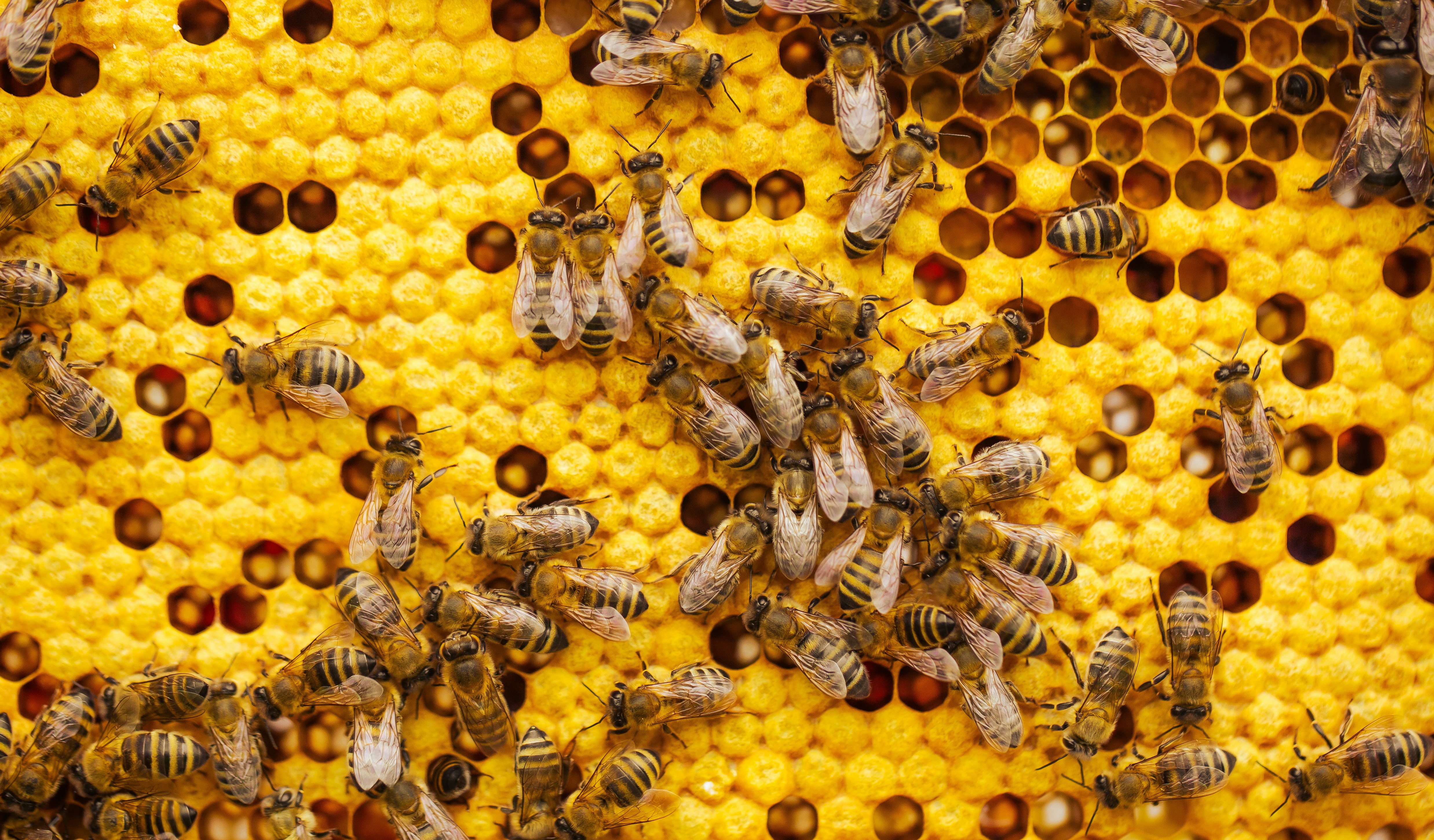
It’s odd, becoming a parent. In the job description is the daunting task of dreaming up an infinite list of things to teach your children (I say infinite because it grows in length each day), and the even taller task of ordering that list in a sequence of importance. What’s more important - teaching Asher to be kind or to brush his teeth? To look both ways before crossing the street or to pick flowers for his mom? Some days we work on kindness. Some days his teeth are clean. Near the top of my list of important things to teach our kids is the practice of prayer. That sounds like a tall task in and of itself, but maybe I can help alleviate some pressure with this - prayer is not a skill to be mastered, but a practice to be practiced. So that’s how I teach Asher, we practice. He’s learning by rhythm and repetition, as every morning as we turn into his daycare neighbourhood I turn off whatever we’re listening to, look at him in the mirror, and say “ok, it’s time to say a prayer”. Our recipe is simple - we practice thanksgiving. I begin by thanking God for the day, his mercy, and then a few things that come to my mind. He usually adds a few thanksgivings from the backseat like “balls, Aunt Roo Roo and Aunt Ray Ray, or meat sticks”. In Jesus’ name we pray, “amen!”. Henri Nouwen wisely confesses that “I am beginning to see that much praying is grieving”, and yes, I believe that to be true. I am beginning to see however that much of praying is thanksgiving. In fact, thanksgiving is a prayer enough. So, here’s ten things I’m thankful for today: Friends that turn into family The work of honey bees Mercy The way my dad hugs me every time I see him Petrichor (a pleasant smell that frequently accompanies the first rain after a long period of warm, dry weather) The song “I want to serve God” by Sam McCabe The privilege to steward a little parcel of land The wisdom of elders The wonder of children The baby dedication of Mary into the family of faith this coming Sunday Enter his presence with the password: “Thank you!” Make yourselves at home, talking praise. Thank him. Worship him. For God is sheer beauty, all-generous in love, loyal always and ever. Psalm 100 Grace and peace, Pastor Alexander